
Telepsychiatry in North Dakota and Minnesota: What to Expect From Virtual Psychiatric Care
Telepsychiatry in North Dakota and Minnesota can allow eligible patients to meet with a psychiatric provider through secure video technology without traveling to a traditional office. Depending on clinical needs, virtual psychiatric care may include evaluation, treatment planning, medication management, supportive care, and follow-up.
A virtual psychiatric appointment is still a clinical appointment. The conversation, assessment, treatment decisions, privacy, and follow-up all matter—only the setting is different.
For some patients, telepsychiatry can make psychiatric care easier to fit around work, family responsibilities, distance, transportation, or limited local access to mental health specialists.
Understanding how virtual psychiatric care works can make the first appointment feel more familiar and help you prepare for a productive visit.
What is telepsychiatry?
Telepsychiatry is the delivery of psychiatric care using telecommunications technology, commonly through a secure video visit between a patient and a psychiatric provider.
It is a form of telehealth specifically focused on mental and behavioral health. Depending on the provider, clinical situation, and applicable requirements, telepsychiatry may be used for psychiatric evaluation, diagnosis, treatment planning, medication prescribing or monitoring, and ongoing follow-up.
What psychiatric services can be provided virtually?
Telepsychiatry can support several types of outpatient psychiatric care when virtual treatment is clinically appropriate.
Whether a particular service can or should be provided virtually depends on the patient’s needs, clinical circumstances, and applicable requirements.
What happens during a virtual psychiatric appointment?
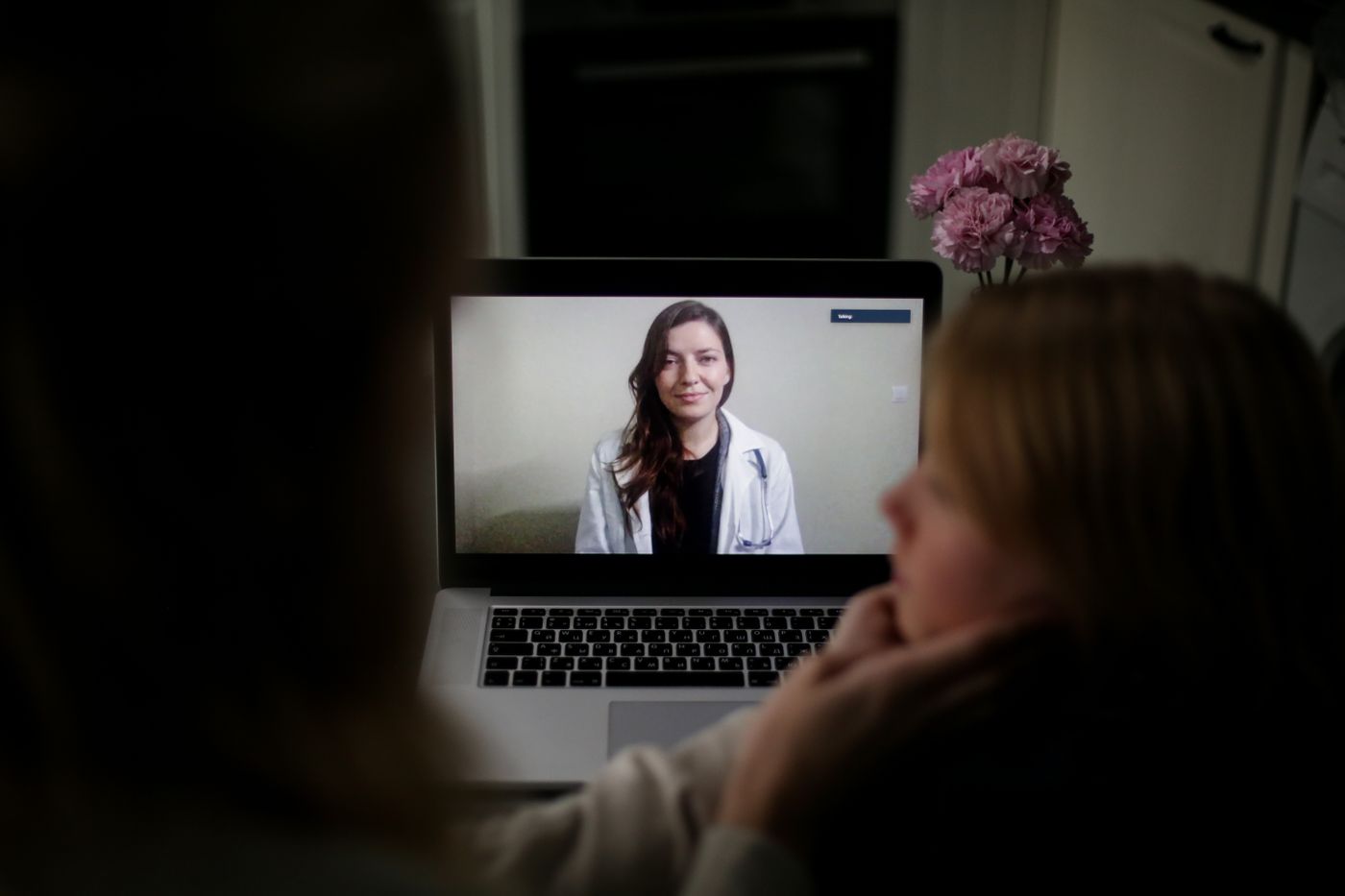
The clinical portion of a virtual appointment is often similar to an in-person psychiatric visit. The provider asks questions, listens to your concerns, observes relevant aspects of the interaction, and gathers information needed for assessment and treatment planning.
How should you prepare for a telepsychiatry visit?
A few practical steps can make a virtual psychiatric appointment more comfortable and reduce avoidable interruptions.
How is privacy handled during telepsychiatry?
Psychiatric visits often involve sensitive information, so privacy matters on both sides of the video connection.
Patients can support privacy by using a private room, a password-protected device, a trusted internet connection, and headphones when appropriate.
It is also helpful to let the provider know if another person is present during the appointment.
Avoid joining from a crowded public space when possible. A quieter, private environment can improve confidentiality and make it easier to speak openly about symptoms and treatment concerns.
Why may your location be confirmed at each virtual appointment?
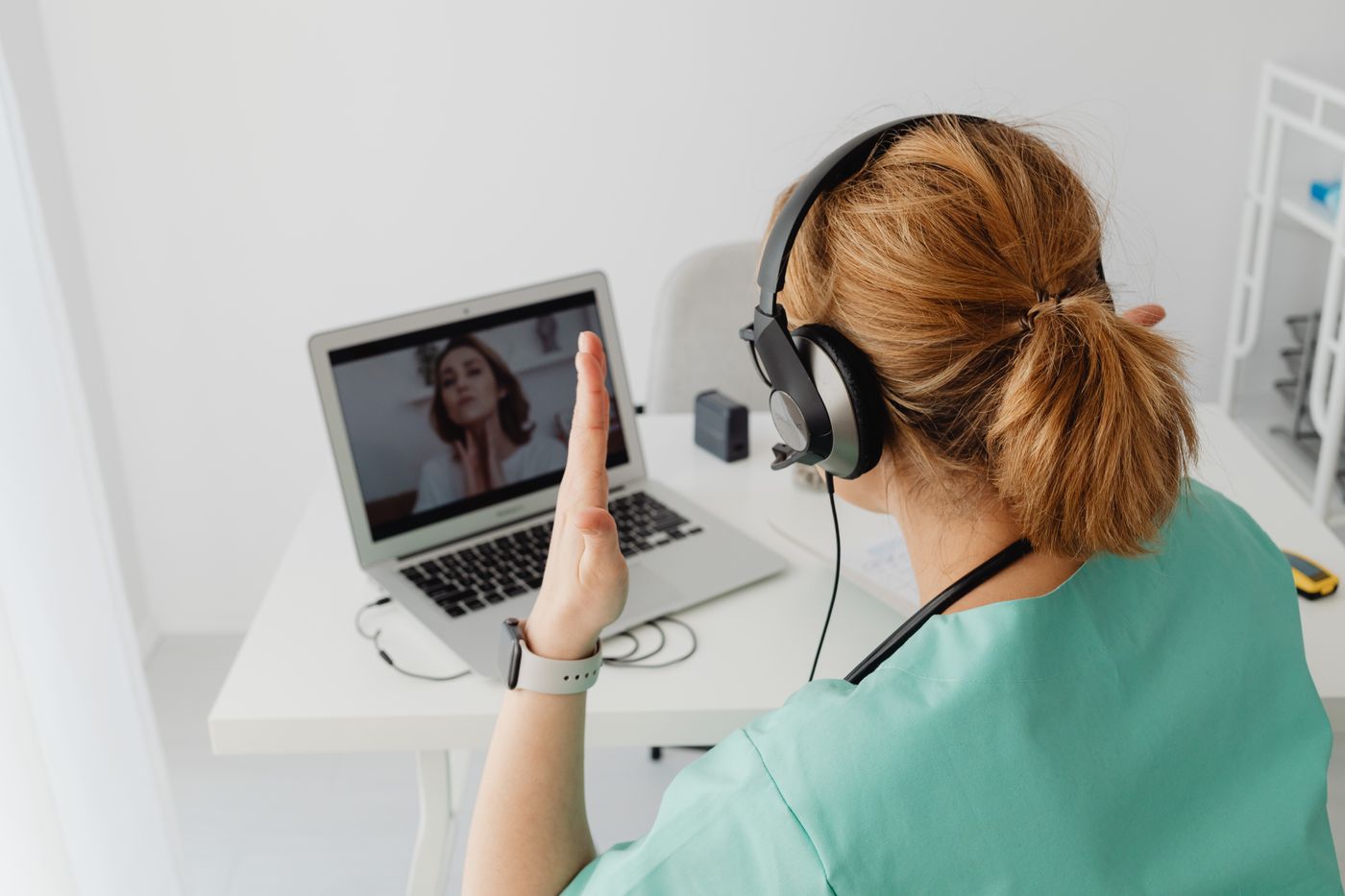
Your provider may ask where you are physically located at the beginning of a telepsychiatry appointment.
Knowing the patient’s current location can be important for telehealth practice requirements and is also useful if an urgent safety concern or medical emergency develops during the virtual visit.
Prudent Haven provides telepsychiatry to eligible patients in North Dakota and Minnesota. Eligibility should be confirmed with the practice for the location where you will be physically present during care.
Can medications be managed through telepsychiatry?
Medication management can be part of virtual psychiatric care when clinically appropriate and permitted under applicable requirements.
A telehealth medication follow-up may include discussion of:
- Changes in target symptoms.
- Medication benefits or lack of improvement.
- Possible side effects.
- Sleep, appetite, energy, mood, anxiety, or attention.
- Adherence and missed doses.
- New medications or supplements.
- Relevant physical-health changes.
- Additional monitoring that may be needed.
Depending on the medication and individual circumstances, laboratory testing, blood pressure, pulse, weight, or other clinical information may sometimes need to be obtained outside the video visit.
When might telepsychiatry not be enough?
Virtual care is useful for many outpatient psychiatric needs, but it is not automatically the right setting for every clinical situation.
A provider may recommend in-person assessment, medical evaluation, emergency care, or another level of treatment when the patient’s needs cannot be safely or appropriately addressed through a routine video appointment.
If there is an immediate danger to yourself or another person, call 911 or go to the nearest emergency department. In the United States, the 988 Suicide & Crisis Lifeline can be reached by calling or texting 988.
What happens after a virtual psychiatric visit?
Before the appointment ends, the provider may review treatment recommendations, medication instructions when applicable, follow-up timing, monitoring needs, referrals, or other next steps.
It can be helpful to write down important instructions and make note of anything you still want to clarify after the appointment.
Depending on the treatment plan, follow-up may focus on symptom changes, medication response, side effects, functioning, progress toward treatment goals, or additional diagnostic clarification.
Telepsychiatry in North Dakota and Minnesota: frequently asked questions
Sources & further reading
- U.S. Department of Health and Human Services, Telehealth.HHS.gov — How Do I Use Telehealth for Behavioral Health Care?
- U.S. Department of Health and Human Services, Telehealth.HHS.gov — Telehealth for Behavioral Health Care.
- U.S. Department of Health and Human Services, Telehealth.HHS.gov — Preparing Patients for Telebehavioral Health.
- U.S. Department of Health and Human Services, Telehealth.HHS.gov — Protecting Patients’ Privacy.
- U.S. Department of Health and Human Services, Telehealth.HHS.gov — What Should I Know Before My Telehealth Visit?
Ready to explore secure virtual psychiatric care?
Prudent Haven provides thoughtful, individualized telepsychiatry for eligible patients in North Dakota and Minnesota, including psychiatric evaluation, medication management, and ongoing psychiatric follow-up.